 Skip to content




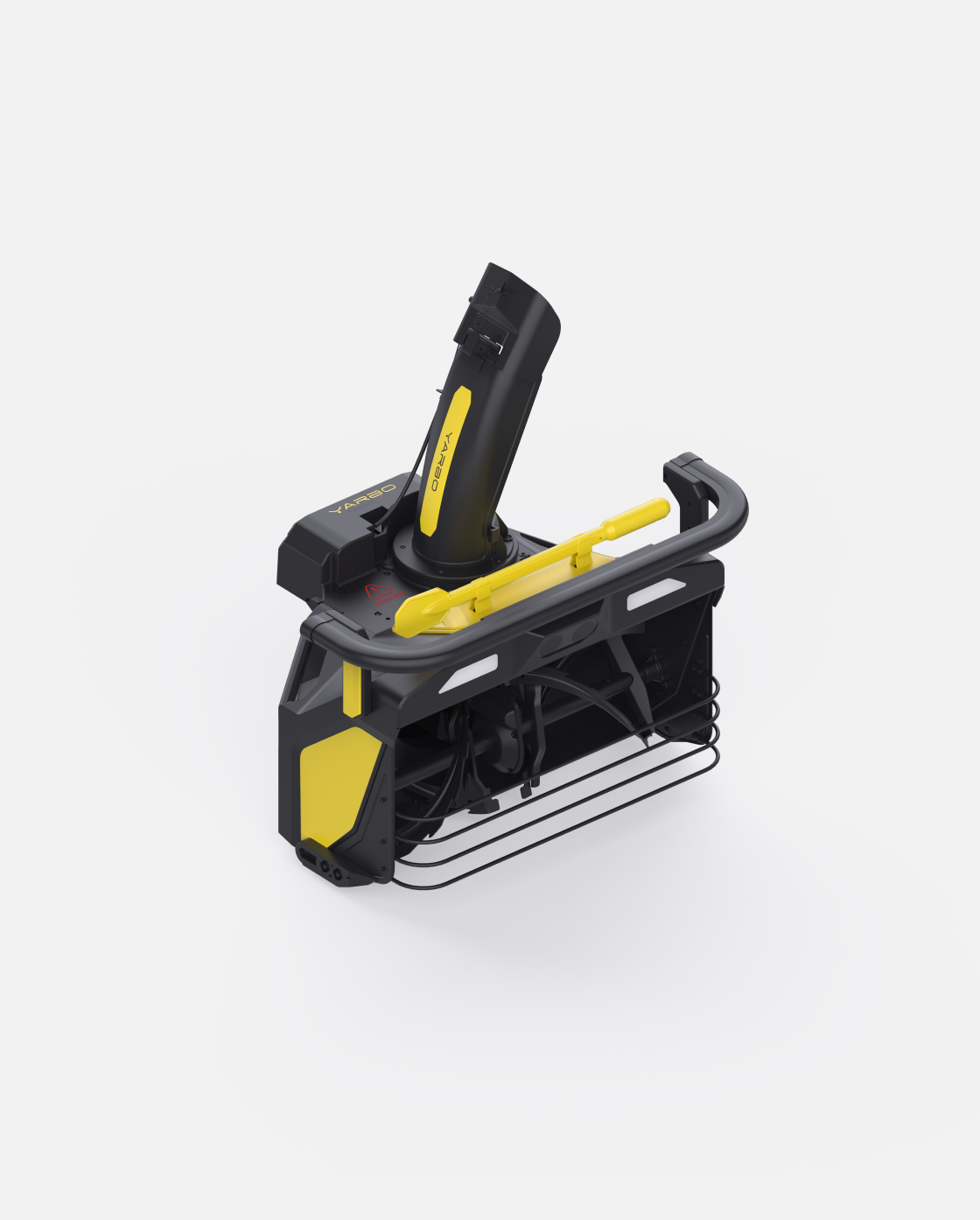


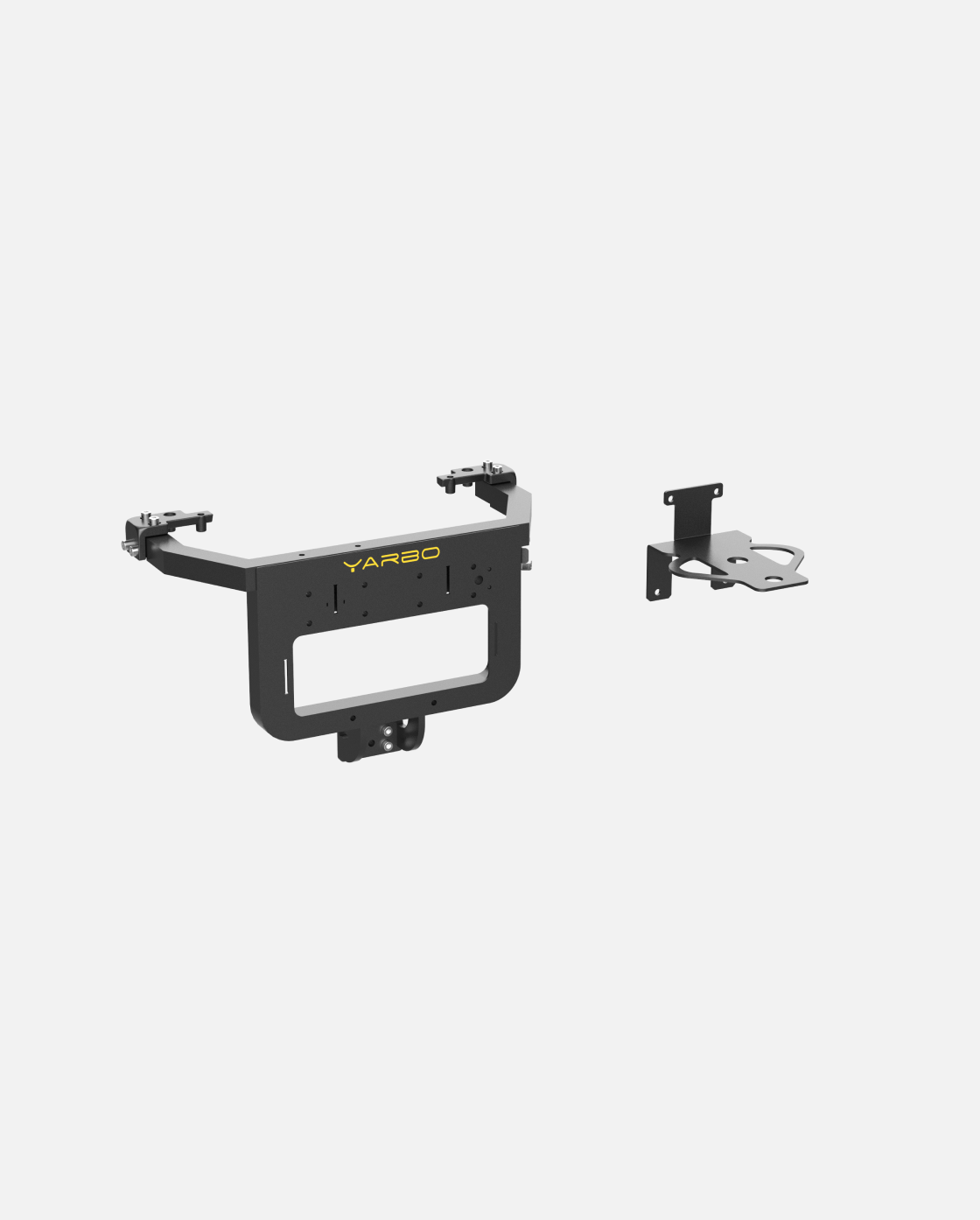
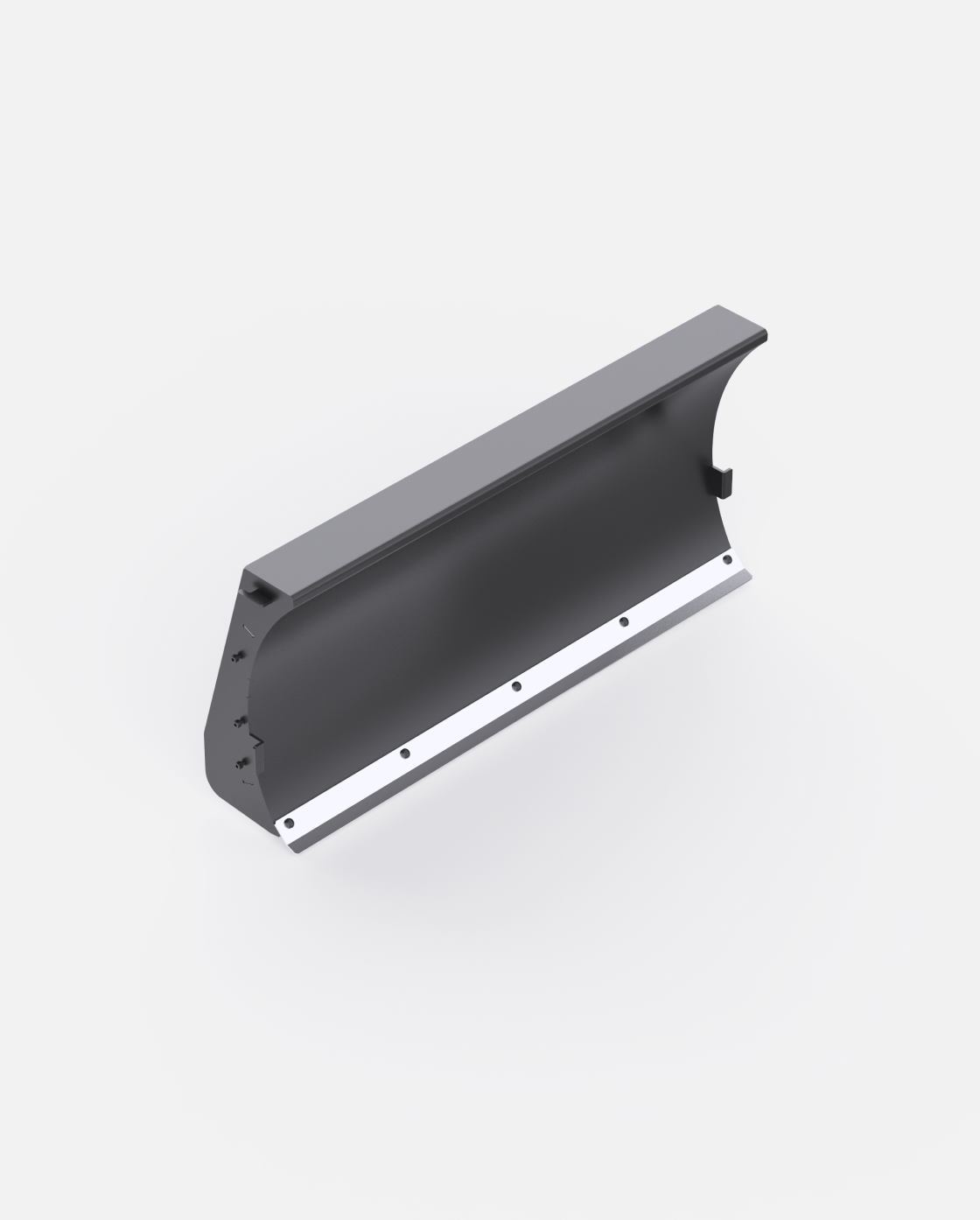


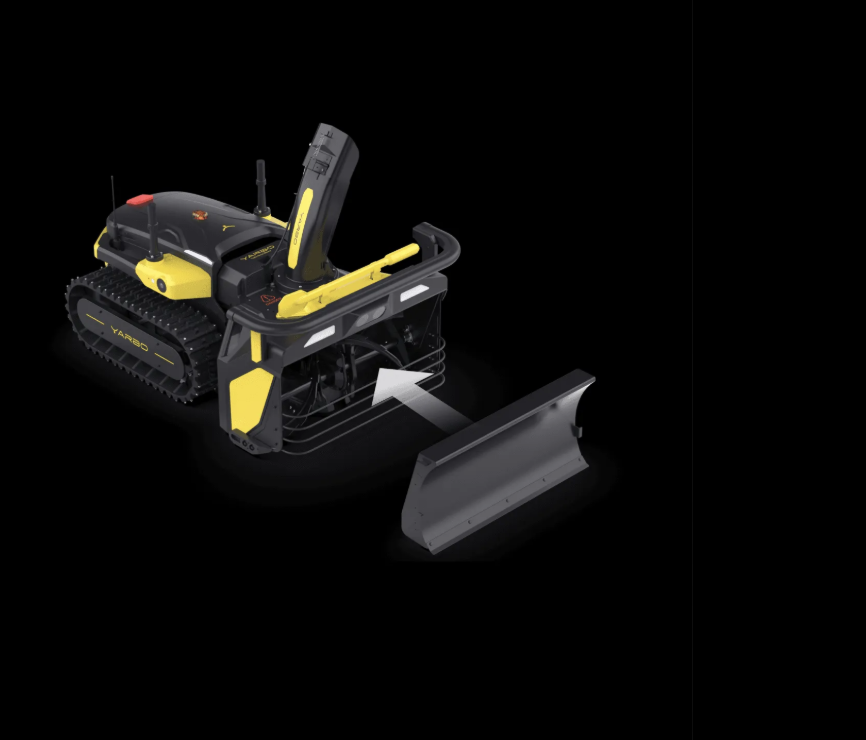
Table Of Contents
Quick Answer: The Yarbo Plow Blade attachment provides highly efficient, autonomous snow removal for dry and moderate wet snowfalls, functioning as a dual-use tool capable of clearing light snow and effectively scraping thin ice layers and compacted snow from driveways and walkways.
Snow plow removal is one of the most time-consuming chores during winter, and homeowners know the frustration of dealing with heavy, wet snow or thick layers of dry snow. The right snow plow blade can make all the difference, and the Yarbo plow blade promises an efficient, autonomous solution for clearing driveways, sidewalks, and small parking areas.
In this article, we examine how the Yarbo plow blade performs in real-world conditions, comparing wet snow vs dry snow, and explore tips to maximize your snow plow removal results.
Table of Contents:
Why Snow Plow Removal Matters for Homeowners & Driveways
Winter can turn even a simple driveway into a hazardous zone. Heavy snow and ice accumulation increase risks of slips and accidents, delay commutes, and make daily routines stressful. Traditional snow shoveling or manual plowing is labor-intensive and time-consuming.
For homeowners, effective snow plow removal is crucial because it:
-
Prevents dangerous ice patches.
-
Reduces driveway and walkway damage.
-
Saves hours of manual labor.
-
Maintains accessibility for vehicles and pedestrians.
Yarbo’s robotic plow blade targets these pain points, offering automation for consistent, fast, and reliable snow clearance.
Understanding Types of Snow: Wet Snow, Dry Snow & Packed Snow
Snow isn’t uniform, and understanding the types of snow is essential to evaluating plow performance:
-
Dry Snow: Light, fluffy snow that is easy to push but can drift easily.
-
Wet Snow: Heavier, sticky snow that clumps and requires more power to remove.
-
Packed Snow/Ice: Dense layers that form after repeated plowing or melting/refreezing cycles.
Each snow type affects snow plow removal differently. Dry snow may clear quickly but requires multiple passes to prevent drift accumulation. Wet snow can bog down lesser plows, while packed snow may need extra force or scraping techniques.
What Is the Yarbo Plow Blade
The Yarbo plow blade is an attachable accessory for Yarbo robotic yard machines. Designed for outdoor, all-season robotics, it features:

-
Adjustable blade height for different snow depths.
-
Durable, weather-resistant materials.
-
Precision edge for scraping packed snow.
-
Smart navigation integration with Yarbo’s AI mapping system.
Its autonomous operation allows homeowners to schedule clearing sessions, with real-time adjustment for snow density, minimizing manual intervention.
Snow Plow Removal Test Setup
To test the Yarbo plow blade, we simulated realistic driveway conditions with varying snow types:
-
Driveway length: 50 ft
-
Surface: Asphalt and concrete mix
-
Snow depth: 2–6 inches for dry, 3–8 inches for wet snow
-
Test duration: Each pass timed and recorded for efficiency
We measured key metrics: time to clear, leftover snow, blade performance under wet snow vs dry snow, and any mechanical or operational limitations.
Performance Results — Dry & Light Snow
In dry, fluffy snow conditions:
-
The Yarbo plow blade cleared a standard 50 ft driveway in under 15 minutes.
-
Minimal residual snow left on edges.
-
Multiple passes required for high drifts but overall efficiency remained high.
-
Autonomous navigation kept the machine on a consistent path, preventing missed spots.
Dry snow demonstrated the blade’s agility, and the lightweight snow caused minimal resistance on the motor, conserving battery life.
Performance Results, Wet, Heavy or Packed Snow
Wet snow presented more of a challenge:
-
Slower clearing speed due to heavier snow mass.
-
Occasional clumping along blade edges required brief pauses.
-
Multiple passes necessary for thick layers.
-
Blade’s durable edge scraped packed snow efficiently without causing damage to driveways.
Overall, the Yarbo plow blade performed reliably, but wet snow tests highlighted that slower passes improve consistency and reduce stress on the robotic system.
Comparing Wet Snow vs Dry Snow: What Changes in Performance
-
Dry Snow: Fast clearing, minimal battery drain, occasional multiple passes for drifted areas.
-
Wet Snow: Slower, heavier strain on motor, risk of clumping, but better scraping and adherence with Yarbo’s adjustable blade height.
This comparison demonstrates that while Yarbo handles both types, optimal operation requires adjusting speed and blade height depending on snow type.
Limitations & When Yarbo’s Plow Blade Might Struggle
While effective, some limitations include:
-
Extremely heavy snowfall (over 10 inches) may require multiple runs.
-
Sloped or uneven driveways can reduce clearing efficiency.
-
Ice buildup may need a manual edge scrape.
Being aware of these limitations ensures homeowners manage expectations and optimize use.
Maintenance & Good Practices for Optimal Snow Plow Removal
To maximize performance:
-
Regularly inspect the blade for wear.
-
Adjust blade height to match snow depth.
-
Clear residual snow from the blade after each use.
-
Avoid running through deep packed snow without incremental passes.
Proper care extends the blade’s lifespan and maintains peak snow plow removal efficiency.
Real-World User Feedback from Yarbo Owners
To determine efficiency, the Yarbo Plow Blade was tested on asphalt and concrete surfaces with varying snow depths, measuring time to clear and residual snow.

Performance Results: Dry & Wet Snow Comparison
|
Condition
|
Dry Snow (2–6 inches)
|
Wet/Heavy Snow (3–8 inches)
|
|
Clearing Speed
|
Fast (50 ft driveway cleared under 15 minutes)
|
Slower speed required
|
|
Motor Strain
|
Minimal resistance; battery life conserved
|
Heavier strain on motor; battery life reduced slightly
|
|
Residual Snow
|
Minimal residual snow left on edges
|
Occasional clumping along blade edges
|
|
Packed Snow/Ice
|
Requires minimal effort
|
Blade's durable edge scraped packed snow efficiently
|
|
Consistency
|
Consistent path, but multiple passes needed for high drifts
|
Consistency improved with slower passes
|
While the Yarbo plow blade handles both types, slower passes improve consistency and reduce stress on the system during heavy, wet snow removal.
How to Decide If Yarbo’s Plow Blade Is Right for You
Consider these factors:
-
Snowfall frequency and depth: Frequent heavy snow may need additional runs.
-
Driveway size: Large surfaces may require manual supplementation.
-
Surface type: Asphalt or concrete perform best; gravel may reduce blade efficiency.
-
User expectation: Automation reduces labor but does not eliminate occasional oversight.
Conclusion
Yarbo’s plow blade offers efficient, autonomous snow plow removal for homeowners dealing with dry or wet snow. It excels in time savings, consistency, and minimal physical effort. While wet or packed snow requires slower passes, the blade’s adjustable design ensures reliable performance. Overall, it’s a practical solution for small-to-medium driveways and walkways, with real-world user feedback validating its effectiveness.
Frequently Asked Questions (FAQ)
Q1: Can Yarbo’s plow blade handle more than 6 inches of snow?
A1: Yes, but it may require multiple passes to prevent motor strain.
A1: Yes, but it may require multiple passes to prevent motor strain.
Q2: Is the blade suitable for wet snow vs dry snow?
A2: Yes, the adjustable height and durable edge handle both types effectively.
A2: Yes, the adjustable height and durable edge handle both types effectively.
Q3: How often should the blade be maintained?
A3: Inspect after each use during winter and perform minor maintenance every 10–15 uses.
A3: Inspect after each use during winter and perform minor maintenance every 10–15 uses.
Q4: Will Yarbo work on sloped driveways?
A4: It works best on flat to moderately sloped surfaces; steep inclines may need manual assistance.
A4: It works best on flat to moderately sloped surfaces; steep inclines may need manual assistance.
Q5: Can Yarbo remove ice along with snow?
A5: The blade can scrape thin ice layers, but thick ice may need de-icing treatment.
A5: The blade can scrape thin ice layers, but thick ice may need de-icing treatment.
Q6: Does wet snow reduce battery life?
A6: Heavier wet snow requires more power, reducing battery life per session slightly.
A6: Heavier wet snow requires more power, reducing battery life per session slightly.







 Private group · 33.0K members
